Organizational intelligence
Organizational intelligence for messy teams.
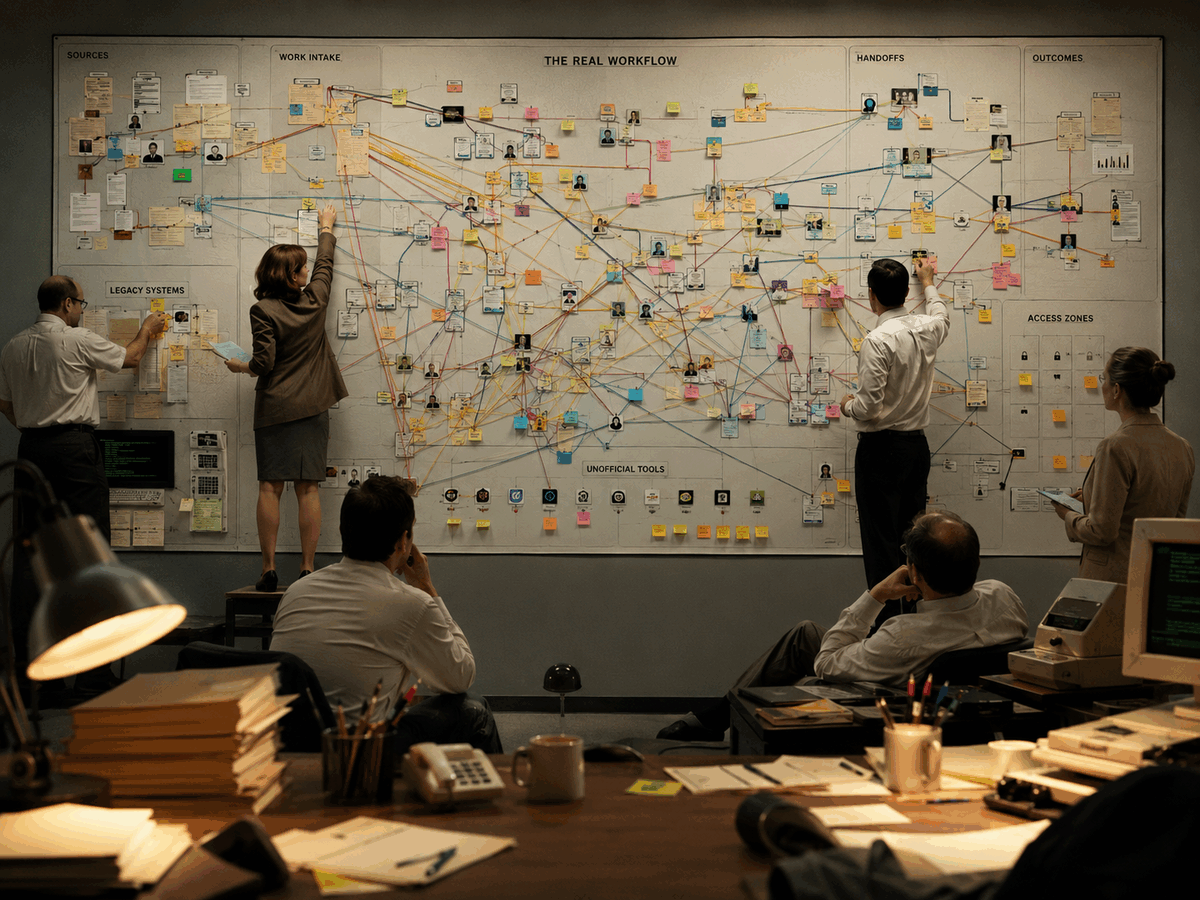
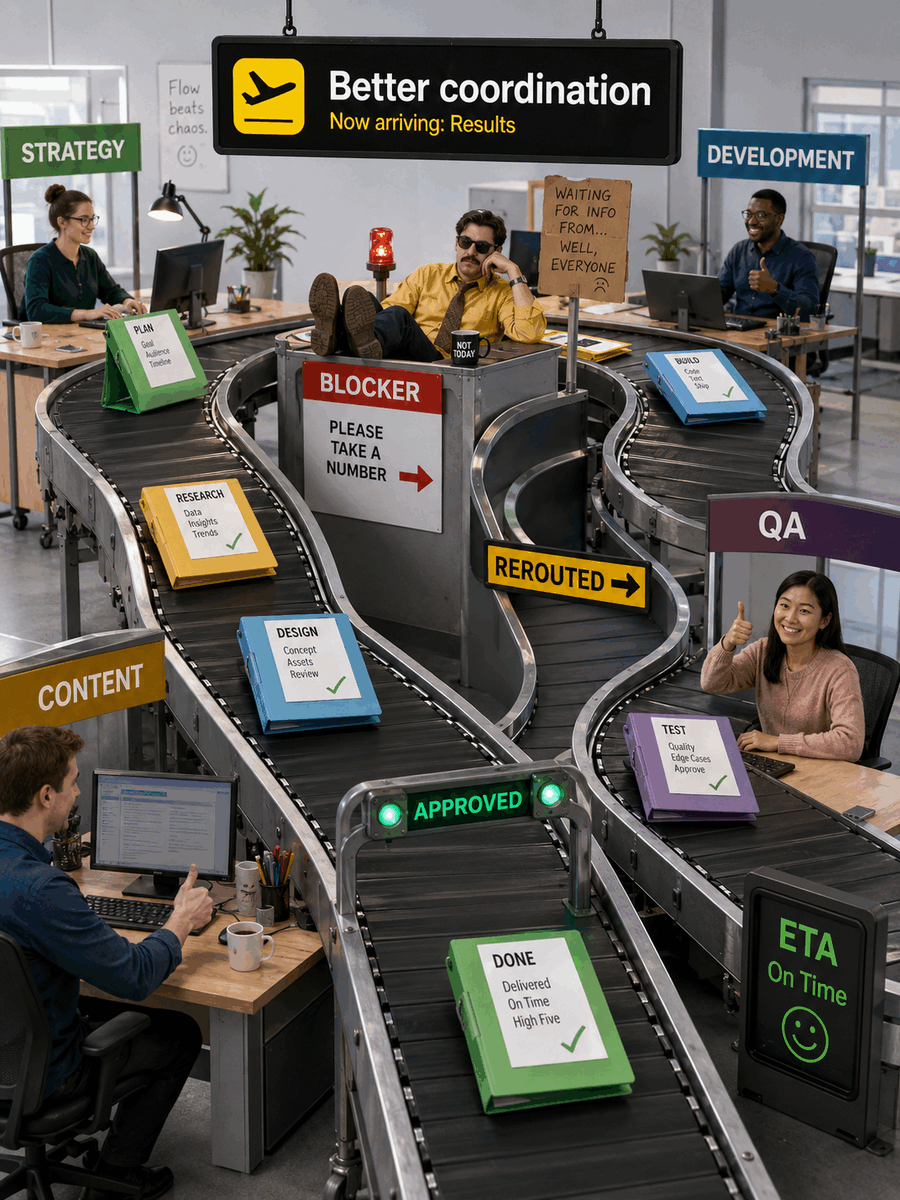
SyncAI transforms how your organization operates by deploying secure, multi-layer AI agents that integrate directly into your existing tools. If you are struggling with fragmented workflows, chaotic handoffs, and a lack of leadership visibility, your teams need more than just another dashboard—they need an intelligent operating layer. By separating responsibilities into Worker, Coordination, and Executive agents, you can safely automate repetitive tasks, route context instantly across your company, and generate objective leadership signals. Because your data security is critical, every agent is rigorously tested in an isolated sandbox environment before it ever touches your production workflows.
- Worker, coordination, and executive agents.
- Sandbox-first experiments for real workflows.
- Private, hybrid, on-prem, and controlled deployments.
Agent design
Workflow integration
AI operations

The system
Three layers, one operating model.
Agent work is separated by responsibility. That makes the system easier to govern, easier to explain, and easier to improve as the organization changes.
The important thing is separation of responsibility.
A useful organizational agent system cannot be one giant assistant that tries to understand everything, do everything, chase everyone, and brief leadership at the same time. The work is separated into layers so each agent has a clear job, clear context, and clear limit.
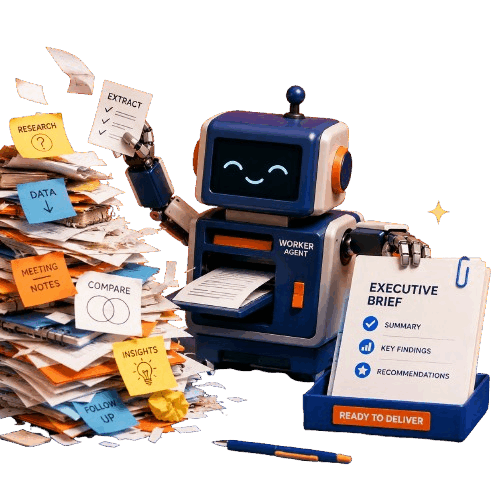
Worker Agents
Review, extract, summarize, compare, research, and prepare work products.
- Domain-specific tasks
- Human review points
- Reusable workflow skills
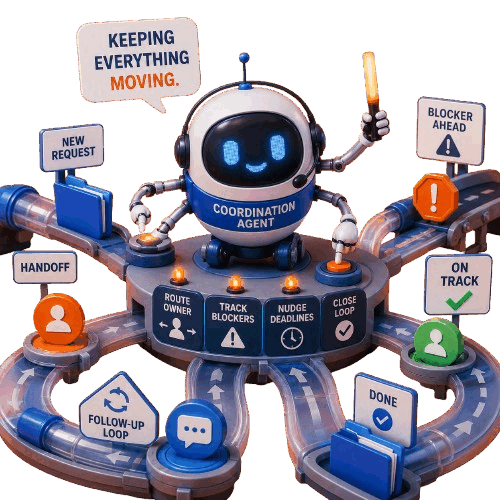
Coordination Agents
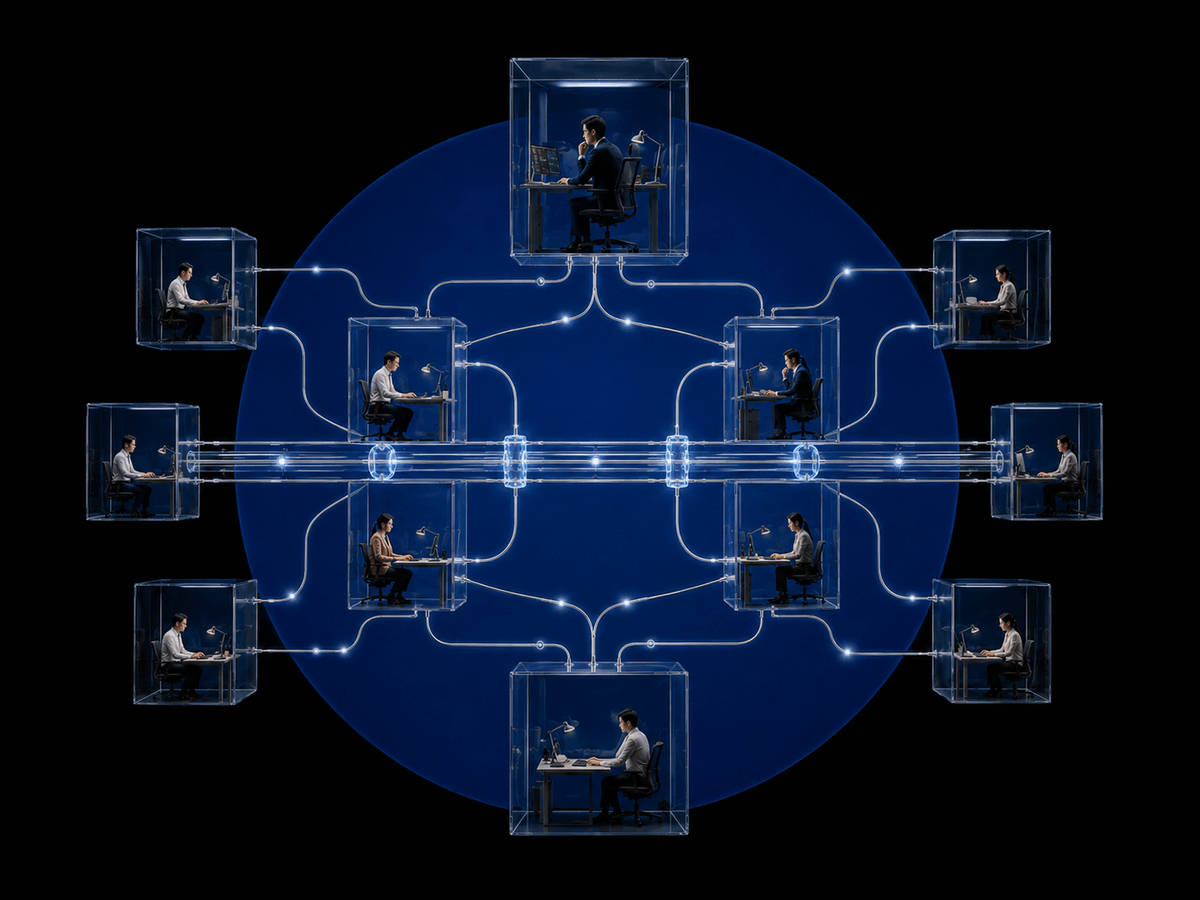
Track ownership, handoffs, blockers, deadlines, and follow-up loops.
- Ownership and routing
- Status and escalation
- Cross-tool continuity
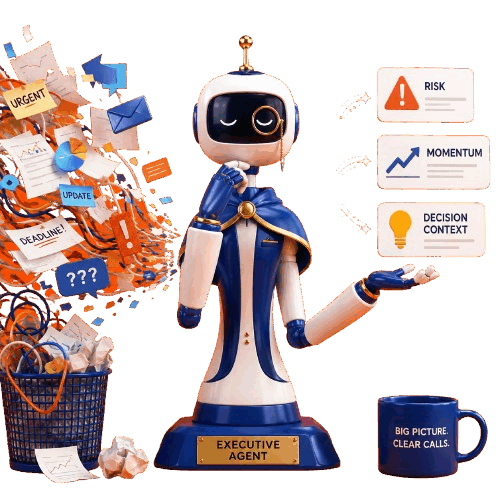
Executive Agents
Synthesize the state of work into leadership-ready signals and questions.
- Briefing summaries
- Risk and momentum signals
- Decision context

Use the organization's language
SyncAI does not force every client into one taxonomy. The system learns teams, documents, tools, handoff language, review rituals, and escalation paths.
Separate doing from coordinating
A worker agent can prepare an analysis. A coordination agent tracks who owns review, what is blocked, and what needs to happen next.
Summarize without flattening
Executive agents turn movement, risk, decisions, and delays into leadership signal while preserving enough nuance for real decisions.
Included with implementation
Organizational intelligence engagements include practical enablement for the client team: workflow walkthroughs, agent usage habits, review rituals, and governance basics.
How it works
How it works.
The process is simple: understand how the organization already works, test the agent layer safely in a sandbox, then turn the useful pieces into one unified interface.
Context customization
Fit the system around how the organization already works.
We are not trying to reshape the organization. We map tools, language, permissions, review habits, handoffs, and decision points so the agent layer supports the real context.
Org language
Access boundaries
Workflow shape
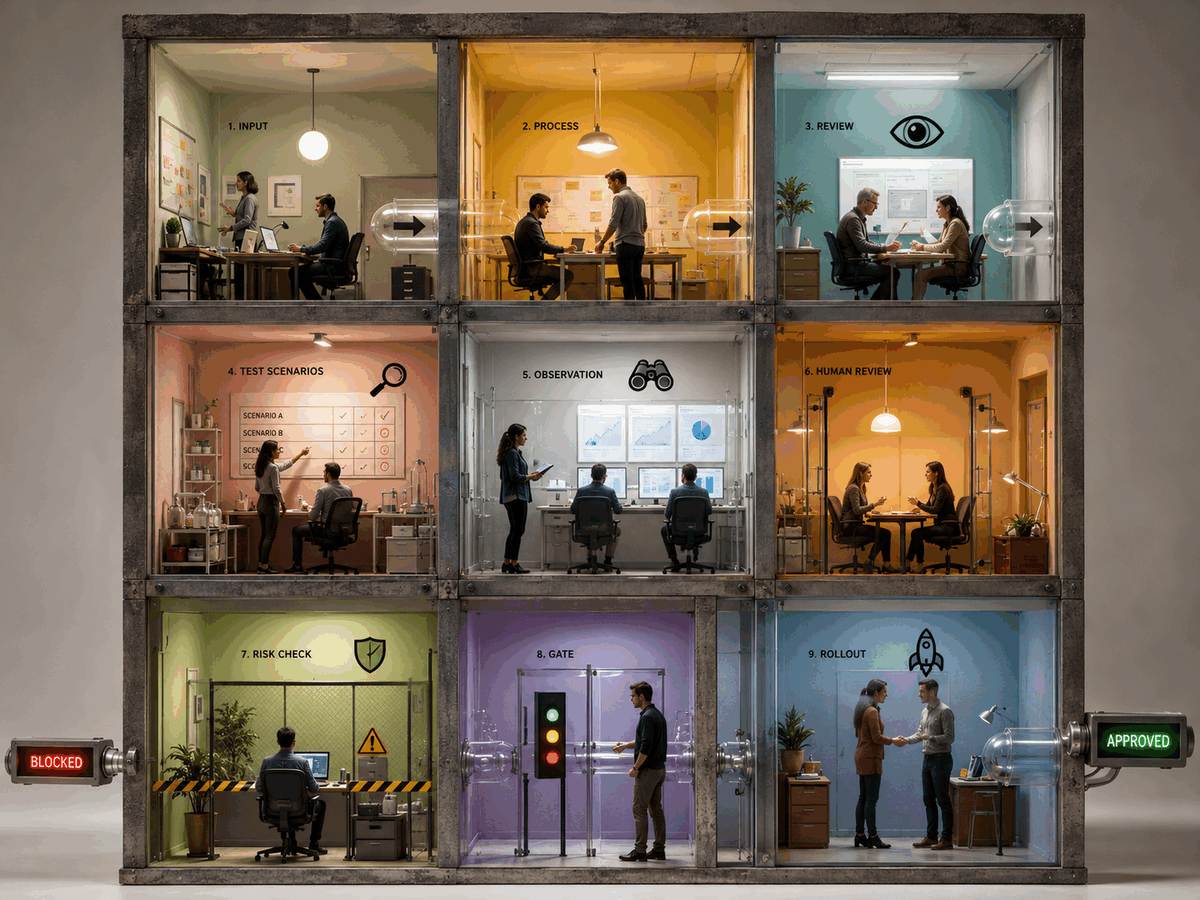
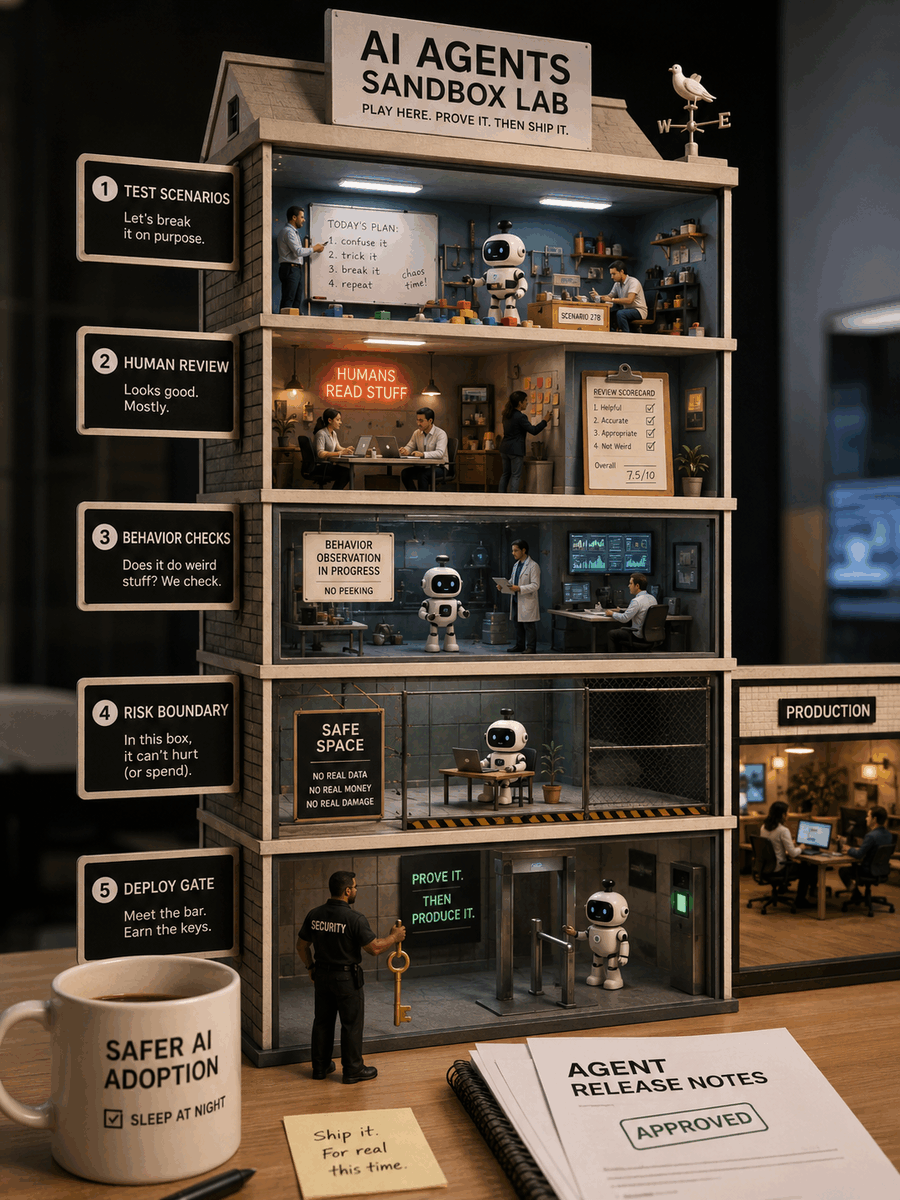
Sandboxed deployment and usage
Use it safely before it becomes the way work runs.
Agents are tested against representative workflows, not fantasy demos. Teams use the system in a controlled space, expose failure modes, and adjust behavior before rollout.
Representative data
Human review
Risk boundaries

Unified interface product
Finalize one operating surface with organizational intelligence built in.
The useful patterns become a unified interface: agents, context, handoffs, signals, reviews, and control points in one product layer that teams can keep using.
One surface
Built-in intelligence
Operating habit
Outcomes
What you get.
Clearer ownership, faster follow-through, safer AI usage, and teams that know how to operate the system after launch.
Faster reporting
Less manual roundup before leadership meetings, weekly reviews, and client updates.

Safer AI adoption
Sandboxed tests, review points, and deployment paths before real workflows depend on agents.

Better coordination
Clearer owners, blockers, handoffs, deadlines, and next actions across tools and teams.

More useful signal
Leadership sees movement, risks, decisions, and momentum without flattening the context.

Training included for system clients
For organizational intelligence projects, adoption training is part of the rollout so teams understand how to use, review, and improve the agent workflows.

Corporate Training
Workshops for leaders and teams adopting AI across operations, knowledge work, and governance.

Institution Training
Programs for institutions that want structured AI literacy, productivity, and responsible-use training.

Academic Training / Workshops
Sessions for colleges, departments, educators, and students exploring practical AI capabilities.
Coming soon
SyncAI LMS
We are building a learning platform to support these programs with structured modules, assessments, and repeatable training delivery.
Trust / credibility
Built for real constraints, not demo-room conditions.
Privacy, deployment control, auditability, and change management are part of the product conversation from the beginning.
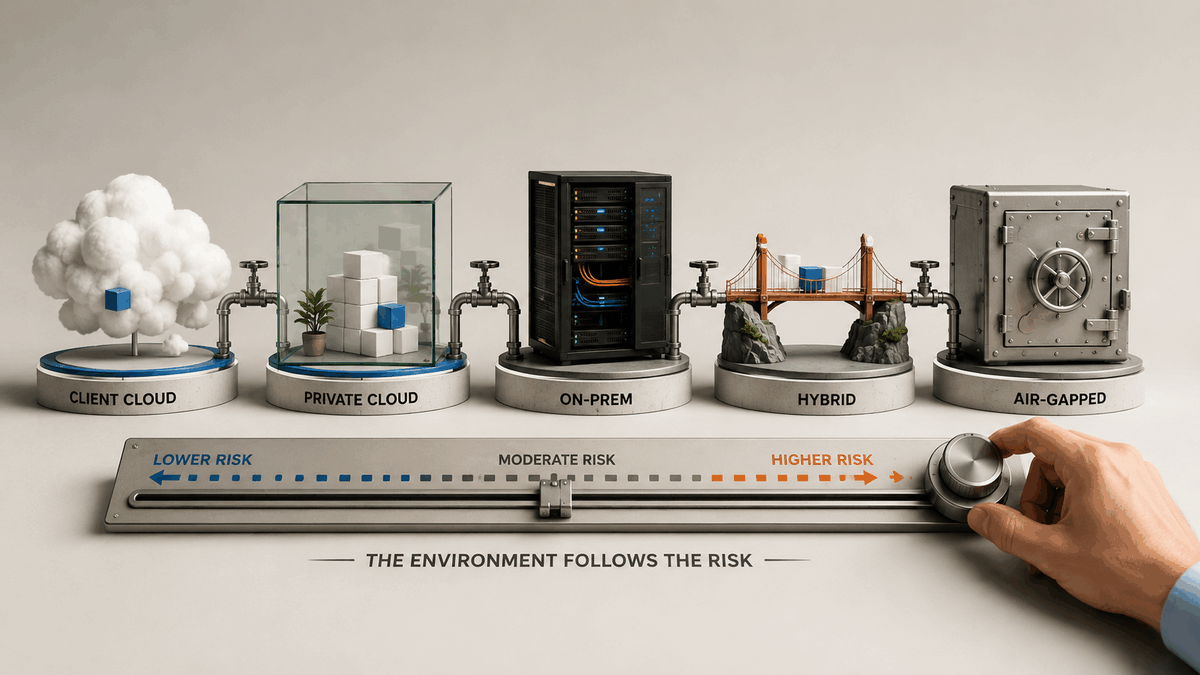
Deployment control
The environment follows the risk.
Client cloud, private cloud, on-prem, hybrid, and air-gapped options stay on the table.
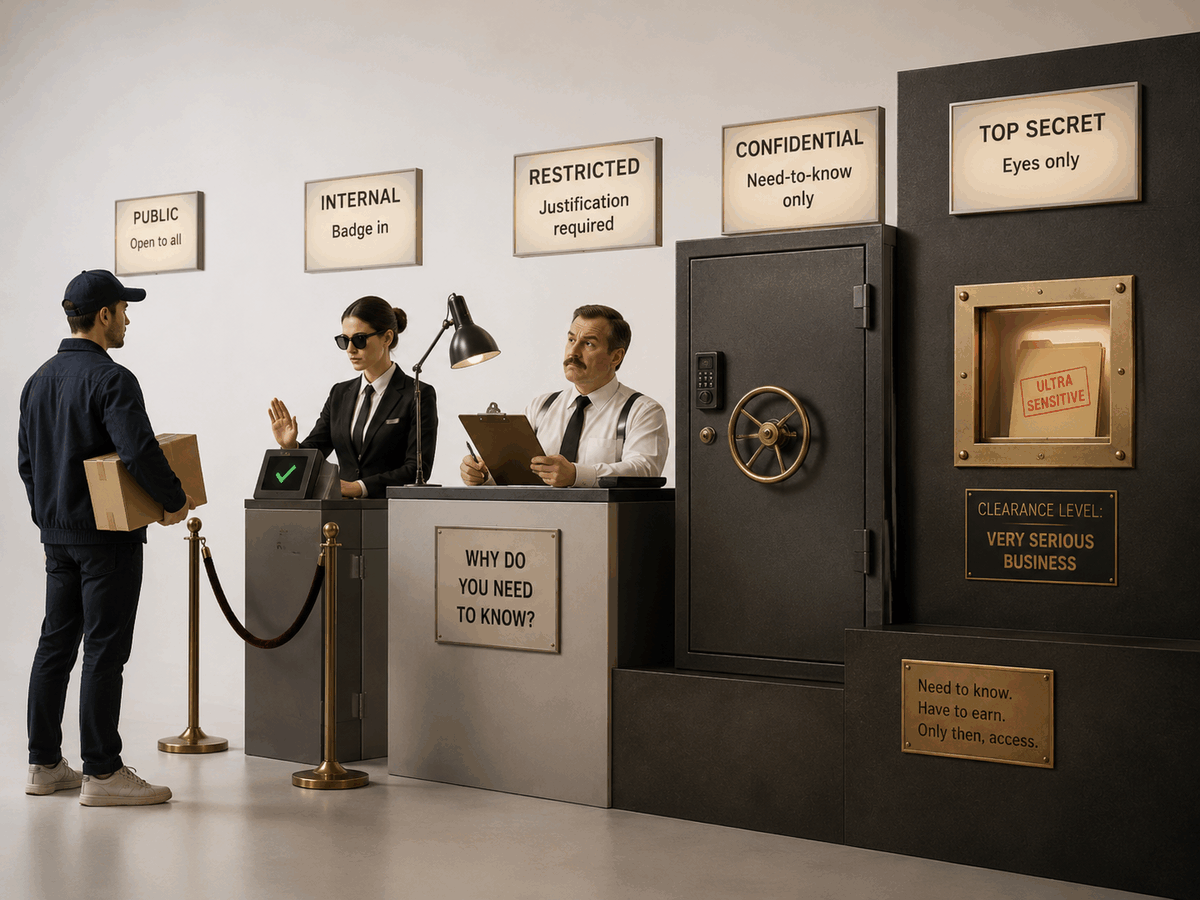
Privacy
Access boundaries first.
Agents are scoped around permissions, review points, and sensitive context.
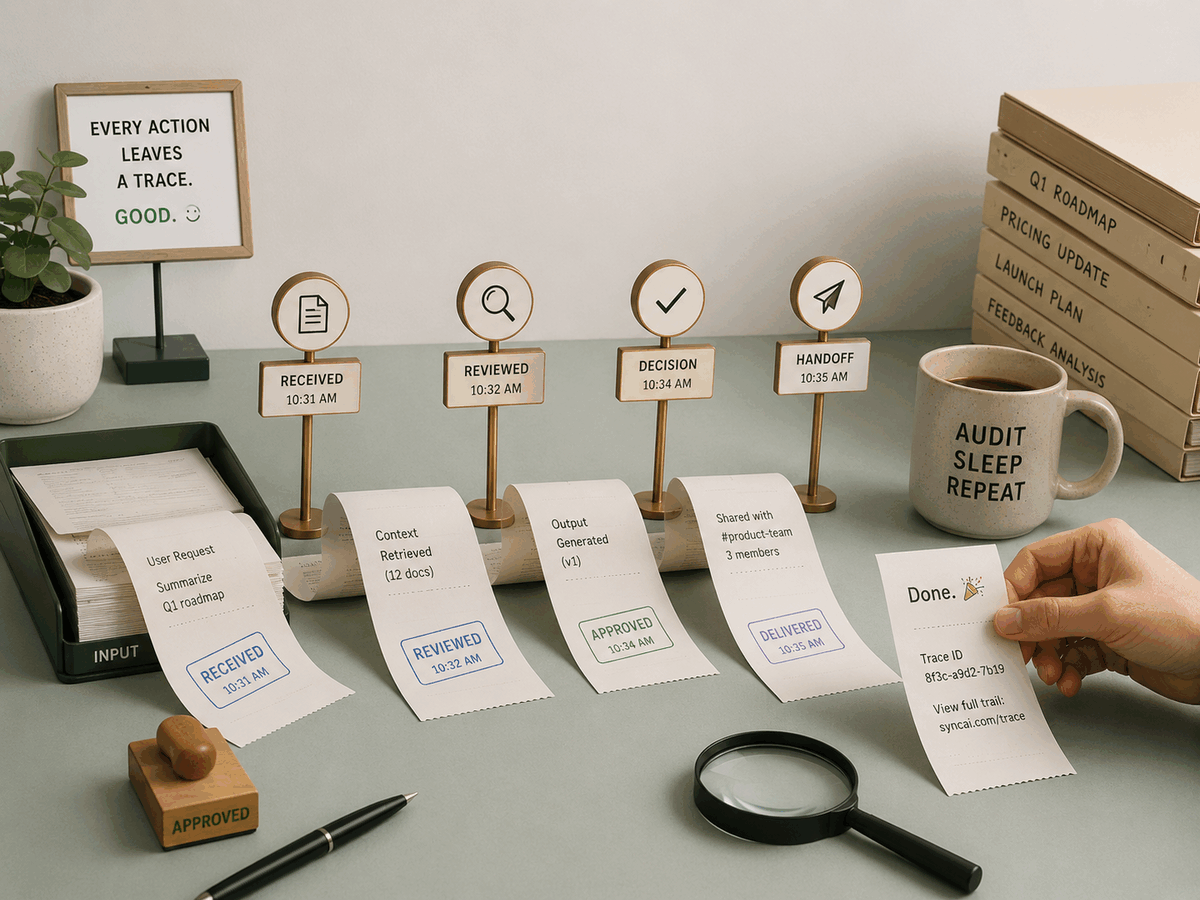
Auditability
Make usage inspectable.
Decisions, outputs, reviews, and handoffs need a trail people can understand.

Governance
Rules before scale.
We define what agents can do, what humans review, and where escalation happens.
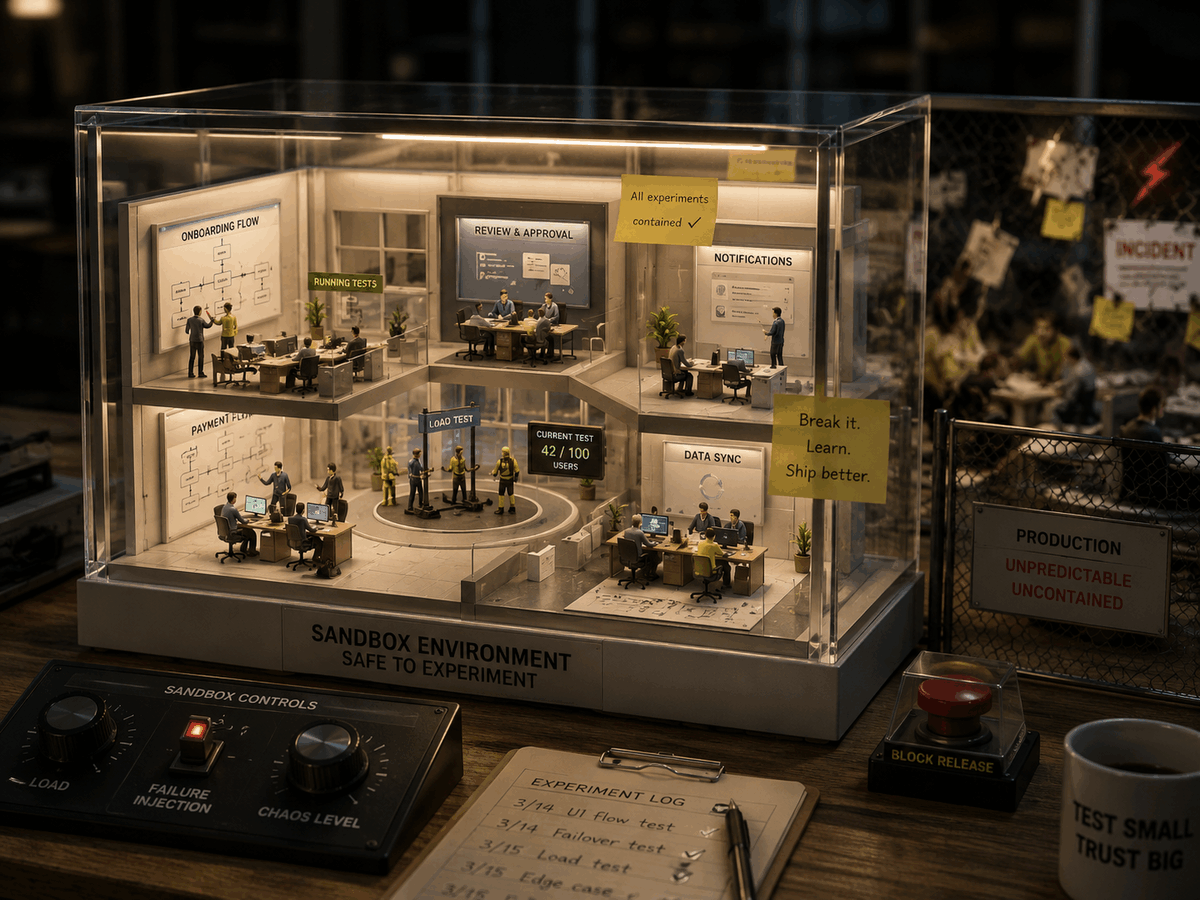
Sandbox-first
Test behavior before rollout.
Representative workflows expose failure modes before production dependency.
Intelligence Hub
Executive Summary & FAQ
A semantic knowledge base detailing our methodologies, outcomes, and best practices.
TL;DR / Executive Summary
SyncAI transforms fragmented organizational workflows into a unified, intelligent operating layer. By separating duties into Worker, Coordination, and Executive agents, we ensure secure, sandboxed AI deployment that enhances leadership visibility and accelerates team handoffs without replacing your existing tools.
Key Takeaways & Best Practices:
- Definition: SyncAI is an organizational intelligence platform leveraging multi-agent systems to streamline your operations.
- Purpose: To transform scattered work into a unified operating layer without disrupting your existing tools.
- Benefits: Sandboxed testing prevents risks, rigorous boundaries clarify ownership, and executive signals improve leadership visibility.
- Requirements: No complex migrations; you simply grant our agents permissions to your current systems.
- Recommendation: Always test in an isolated workflow sandbox before scaling globally.
Frequently Asked Questions
What is the SyncAI three-layer agent model?
SyncAI categorizes AI responsibilities into three distinct layers: Worker Agents (task execution and research), Coordination Agents (routing, tracking handoffs, and managing blockers), and Executive Agents (synthesizing movement into leadership signals).
How does sandboxed deployment work?
Before any AI agent interacts with production data or workflows, it is deployed in a secure, isolated sandbox. This allows teams to test behavior against representative workflows, expose failure modes, and adjust boundaries safely.
What deployment options do you offer?
We offer flexible deployment environments mapped to your risk profile, including Private Cloud, Hybrid Cloud, On-Premises, and fully Air-Gapped systems.